Welcome to Hebei Xushi Weiye Machinery Manufacturing Co., Ltd. website!


Exploring the Efficiency of Thread Rolling in CNC Rebar Processing
Release Time:
May 27,2025
Exploring the Efficiency of Thread Rolling in CNC Rebar Processing Table of Contents 1. Introduction to CNC Rebar Processing 2. The Thread Rolling Process: An Overview 3. Advantages of Thread Rolling in Rebar Processing 4. Key Applications of Thread Rolling in Construction 5. Understanding the CNC Thread Rolling Machine 6. Optimization Techniques for Enhanced Efficiency 7. Comparing Thread Rolling

Exploring the Efficiency of Thread Rolling in CNC Rebar Processing
Table of Contents
1. Introduction to CNC Rebar Processing
2. The Thread Rolling Process: An Overview
3. Advantages of Thread Rolling in Rebar Processing
4. Key Applications of Thread Rolling in Construction
5. Understanding the CNC Thread Rolling Machine
6. Optimization Techniques for Enhanced Efficiency
7. Comparing Thread Rolling with Other Threading Methods
8. Frequently Asked Questions (FAQs)
9. Conclusion
1. Introduction to CNC Rebar Processing
CNC (Computer Numerical Control) rebar processing has revolutionized how steel reinforcement bars are fabricated and utilized in construction. This advanced technology enhances precision and efficiency, allowing for the automated cutting, bending, and threading of rebars. As the construction industry continually seeks methods to improve productivity and reduce costs, thread rolling emerges as a technique that significantly boosts performance in CNC rebar processing.
2. The Thread Rolling Process: An Overview
Thread rolling is a cold-forming process where steel bars are transformed into threaded components. This method involves the use of cylindrical dies that compress the material, which results in a precise thread profile without removing any material. The process is advantageous in rebar manufacturing, allowing for the creation of high-strength threads that are essential for various construction applications.
2.1 The Mechanics of Thread Rolling
During thread rolling, the CNC machine operates by rotating the rebar while applying force through rollers. This simultaneous action creates threads through a process of deformation, rather than cutting, which preserves the integrity of the material. The result is a strong, durable, and accurate threaded rebar that can effectively accommodate the demands of modern construction.
3. Advantages of Thread Rolling in Rebar Processing
The efficiency of thread rolling in CNC rebar processing is underscored by several key advantages:
3.1 Improved Material Strength
Since thread rolling does not cut away material but instead displaces it, the microstructure of the steel is preserved. This leads to enhanced tensile strength and fatigue resistance, making rolled threads ideal for high-stress applications.
3.2 Increased Production Speed
Thread rolling allows for faster production rates compared to traditional cutting methods. The automated nature of CNC machines, combined with the rapid process of thread formation, translates to shortened lead times and greater output.
3.3 Cost Efficiency
By minimizing waste and maximizing throughput, thread rolling reduces overall production costs. The elimination of cutting tools and the ability to process multiple bars simultaneously contribute to lower operational expenses.
3.4 Precision and Consistency
CNC technology ensures that the thread rolling process maintains a high level of precision, resulting in uniform thread profiles. This consistency is critical for applications that require exact specifications and tight tolerances.
3.5 Versatility in Applications
Thread rolling can be adapted to various sizes and types of rebars, providing manufacturers with the flexibility to meet diverse project requirements. This versatility makes it suitable for both residential and commercial construction needs.
4. Key Applications of Thread Rolling in Construction
Thread-rolled rebars find a wide range of applications in the construction industry:
4.1 Structural Reinforcements
In large-scale construction projects, threaded rebars are essential for providing additional support and stability to structures. They are commonly used in the reinforcement of concrete beams, columns, and slabs.
4.2 Precast Concrete Elements
Threaded rebars are integral to precast concrete elements, where they facilitate the connection between different sections. This enhances the structural integrity and load-bearing capabilities of precast components.
4.3 Anchoring Systems
Threaded rebars serve as anchoring systems in various applications, including foundation anchoring and securing heavy machinery. Their strength and durability ensure reliable performance in critical structural components.
4.4 Earthquake-Resistant Structures
In seismic zones, the use of high-strength threaded rebars is crucial for building earthquake-resistant structures. Their ability to withstand dynamic loads makes them indispensable in such constructions.
5. Understanding the CNC Thread Rolling Machine
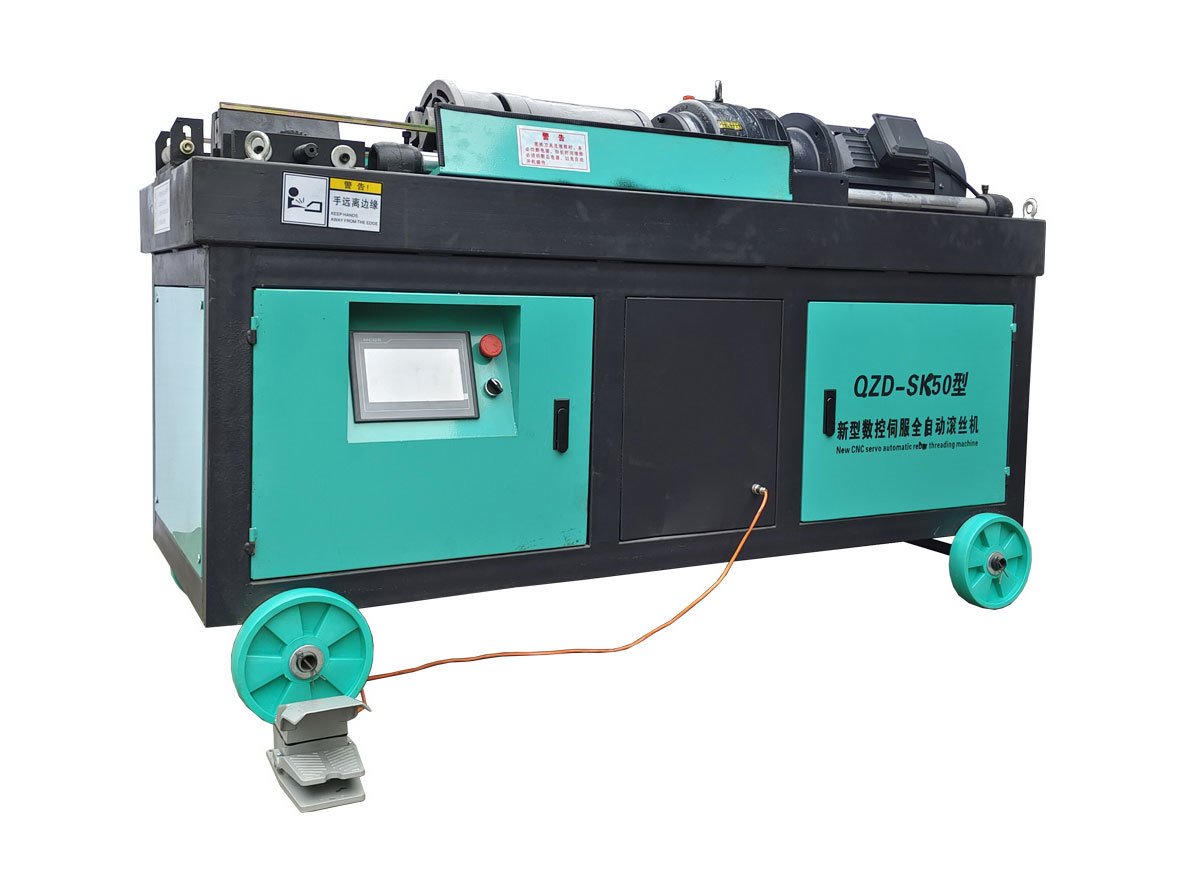
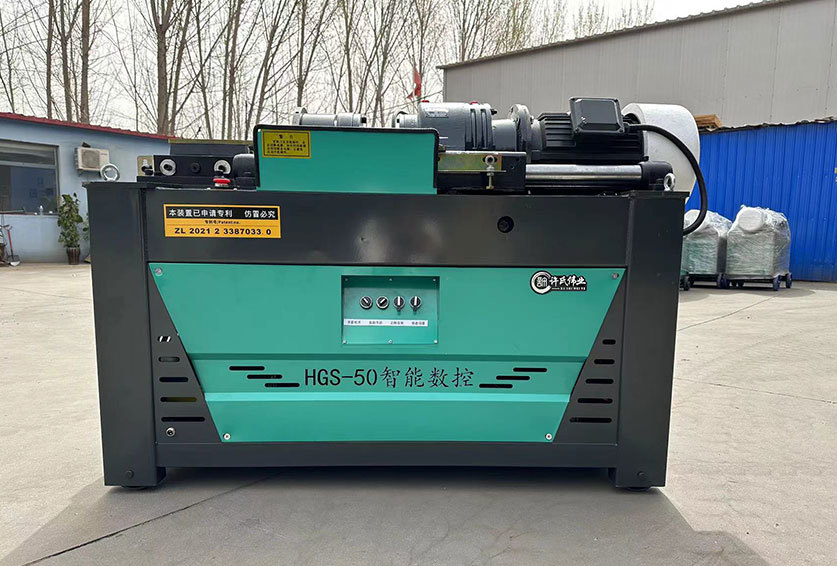
The CNC thread rolling machine is a sophisticated piece of equipment designed to automate the thread rolling process. These machines incorporate advanced controls and features to enhance operational efficiency.
5.1 Components of a CNC Thread Rolling Machine
Key components of a CNC thread rolling machine include:
- **Rollers**: The primary tools that shape the threads through compression.
- **CNC Control System**: Allows for precise programming and monitoring of the threading process.
- **Hydraulic System**: Provides the necessary force for deforming the material.
- **Feed Mechanism**: Ensures accurate positioning and movement of the rebar during processing.
5.2 Features Enhancing Efficiency
Modern CNC thread rolling machines come with several features that enhance efficiency, such as:
- **Automatic Tool Change**: Reduces downtime between operations by allowing for quick adjustments.
- **Real-Time Monitoring**: Provides feedback on production metrics and quality control.
- **Energy Efficiency**: Designed to minimize energy consumption while maximizing output.
6. Optimization Techniques for Enhanced Efficiency
To fully leverage the benefits of thread rolling in CNC rebar processing, manufacturers should consider implementing the following optimization techniques:
6.1 Regular Maintenance and Calibration
Regular maintenance of CNC machines and calibration of rollers ensure consistent performance and prevent downtime. This proactive approach extends the lifespan of equipment and maintains production quality.
6.2 Process Parameter Optimization
Adjusting parameters such as feed rate, rolling speed, and material temperature can significantly impact the efficiency of the thread rolling process. Conducting trials and analyzing results will help identify the optimal settings.
6.3 Employee Training and Skill Development
Investing in training for operators enhances their understanding of the machinery and processes. Skilled operators can make real-time adjustments and troubleshoot issues, contributing to improved efficiency.
6.4 Implementing Lean Manufacturing Principles
Adopting lean manufacturing principles helps identify waste and streamline operations. Techniques like just-in-time production and continuous improvement practices can enhance overall efficiency in thread rolling.
7. Comparing Thread Rolling with Other Threading Methods
While thread rolling offers numerous benefits, it is essential to compare it with other threading methods, such as cutting, tapping, or machining.
7.1 Thread Cutting
Thread cutting involves removing material to create threads. While it allows for intricate designs, it often leads to material waste and can compromise the strength of the remaining material.
7.2 Tapping
Tapping creates internal threads in pre-drilled holes. This method is suitable for certain applications but lacks the production speed and efficiency of thread rolling.
7.3 Machining
Machining is another common threading method that provides flexibility in thread design but is generally slower and less efficient than thread rolling. It also results in more material waste.
8. Frequently Asked Questions (FAQs)
8.1 What is the primary benefit of thread rolling in rebar processing?
The primary benefit of thread rolling in rebar processing is the enhanced strength and durability of the threads created, leading to improved structural integrity.
8.2 How does thread rolling improve production efficiency?
Thread rolling improves production efficiency by reducing cycle times, minimizing material waste, and allowing for automated, high-speed processing.
8.3 Can any type of rebar be threaded using the thread rolling method?
Most types of rebar can be threaded using the thread rolling method, although specific adjustments may be necessary based on the size and material composition.
8.4 What industries benefit the most from thread-rolled rebars?
Industries such as construction, civil engineering, and manufacturing of precast concrete elements benefit significantly from thread-rolled rebars due to their strength and reliability.
8.5 Are there any limitations to using thread rolling in rebar processing?
While thread rolling is highly efficient, it may not be suitable for all applications, particularly those requiring unique thread designs or very small diameters.
9. Conclusion
The application of **thread rolling in CNC rebar processing** represents a significant advancement in the manufacturing industry. The efficiency of this method not only enhances the strength and precision of threaded rebars but also contributes to cost savings and productivity improvements. As the construction sector continues to evolve, embracing innovative techniques like thread rolling will be crucial for meeting the increasing demands for quality, efficiency, and sustainability in engineering and architectural projects. By investing in modern CNC thread rolling technology and optimization strategies, manufacturers can ensure they remain competitive in a rapidly changing landscape.
Keywords:
More information


Hebei Xushi Weiye
CONTACT US
Add: Qiaoxi street,Wuqiang county, Hengshui, China
Email: info@xswy-machinery.com
Wechat: Amanda_XUSHIWEIYE
Whatsapp: +8615933856555
Follow Us
Copyright © Hebei Xushi Weiye Machinery Manufacturing Co., Ltd.
Powered by: 300.cn Shijiazhuang SEO | Privacy Policy
Online Message