Welcome to Hebei Xushi Weiye Machinery Manufacturing Co., Ltd. website!


From Rib Peeling to Thread Rolling: A Comprehensive Exploration of CNC Rebar Innovations
Release Time:
May 29,2025
From Rib Peeling to Thread Rolling: A Comprehensive Exploration of CNC Rebar Innovations Table of Contents Introduction to CNC Rebar Innovations Understanding the Basics of Rebar Manufacturing The Rib Peeling Process in CNC Machining Thread Rolling Technology in Rebar Manufacturing Advantages of CNC Rebar Machining Applications of CNC Rebar Innovations Future Trends in CNC Rebar Technology Freque

From Rib Peeling to Thread Rolling: A Comprehensive Exploration of CNC Rebar Innovations
Table of Contents
- Introduction to CNC Rebar Innovations
- Understanding the Basics of Rebar Manufacturing
- The Rib Peeling Process in CNC Machining
- Thread Rolling Technology in Rebar Manufacturing
- Advantages of CNC Rebar Machining
- Applications of CNC Rebar Innovations
- Future Trends in CNC Rebar Technology
- Frequently Asked Questions
- Conclusion and Future Outlook
Introduction to CNC Rebar Innovations
In the realm of engineering and construction, the significance of **CNC (Computer Numerical Control) technology** has dramatically transformed the methods by which steel reinforcement bars, commonly known as **rebar**, are manufactured and processed. This article embarks on a thorough exploration of the innovations surrounding CNC rebar technologies, particularly focusing on the transition from traditional **rib peeling** techniques to the modern **thread rolling** methods that are becoming increasingly prevalent in the industry.
Understanding these advancements not only highlights the technical improvements within the manufacturing sector but also underscores the essential role they play in enhancing overall project efficiency and structural integrity.
Understanding the Basics of Rebar Manufacturing
Before delving deeper into specific CNC techniques, it's crucial to grasp the fundamental processes involved in rebar manufacturing. Rebar is a vital component in construction, providing tensile strength to concrete structures.
The manufacturing process of rebar typically involves several critical steps:
1. **Steel Production**: High-quality steel is produced through various methods, including the Electric Arc Furnace (EAF) process, which is environmentally friendly and cost-effective.
2. **Hot Rolling**: The molten steel is cast into billets and hot rolled into various sizes of rebar. This process aligns the grain structure of the steel, enhancing its strength.
3. **Cooling**: After rolling, the rebar is cooled, often using controlled methods to maintain specific properties.
4. **Surface Treatment**: This may include processes like ribbing, which improves bond strength with concrete.
Understanding these steps lays the groundwork for appreciating how CNC innovations further enhance these processes.
The Rib Peeling Process in CNC Machining
**Rib peeling** is a traditional method used in rebar processing, characterized by removing the ribs from the surface of rebar to allow for threading. This technique is essential for applications requiring threaded rebar, which connects easily and securely to other components.
**CNC rib peeling** technology has revolutionized this process, offering:
- **Precision**: CNC machines provide unparalleled accuracy, ensuring uniformity in rib removal.
- **Efficiency**: Automated systems significantly reduce processing time, enabling higher output rates.
- **Quality Control**: With real-time monitoring and adjustments, CNC machining ensures high-quality finishes.
By understanding the rib peeling process, we can appreciate its role as a precursor to more advanced techniques like thread rolling.
Thread Rolling Technology in Rebar Manufacturing
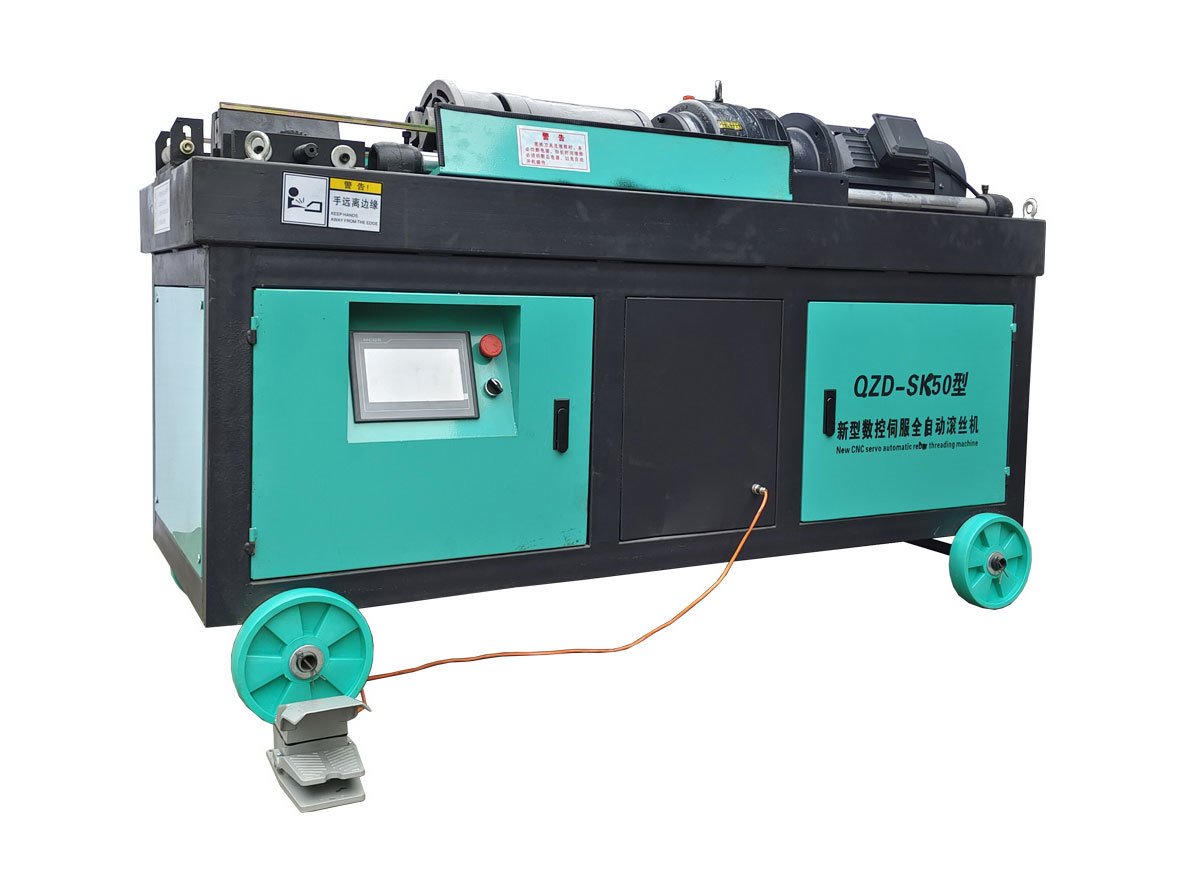
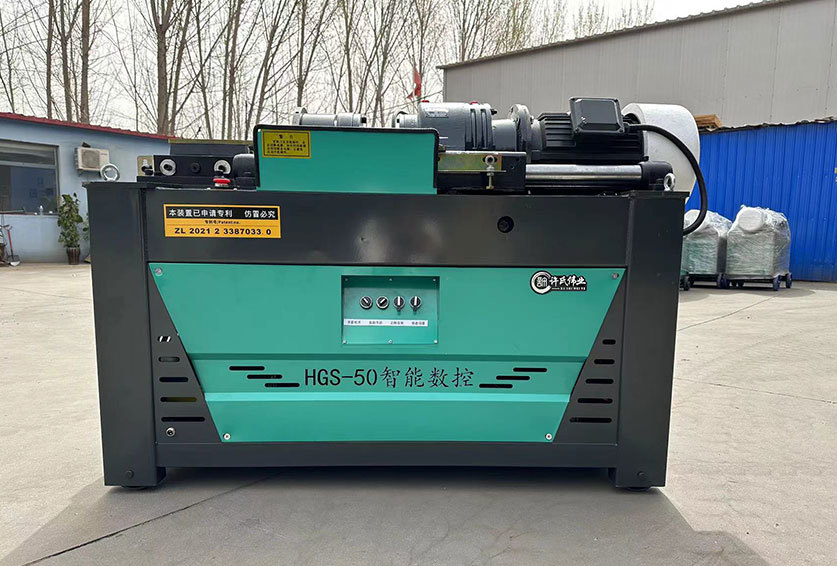
Transitioning from rib peeling, **thread rolling** is a highly efficient method for creating threads on rebar. This process involves the use of cylindrical dies that deform the material, forming threads without removing any material.
Key advantages of thread rolling include:
- **Strengthening**: The deformation process enhances the tensile strength of the rebar.
- **Reduced Waste**: Unlike cutting methods, thread rolling does not generate scrap material.
- **Speed**: The rolling process is faster than traditional methods, allowing for increased production rates.
The incorporation of CNC technology into thread rolling further amplifies these benefits, as machines can be programmed for varying thread sizes and specifications.
Advantages of CNC Rebar Machining
The rise of **CNC rebar machining** brings forth numerous advantages that significantly impact the construction industry:
1. **Increased Efficiency**: Automated processes reduce human error and processing times, leading to quicker project completion.
2. **Enhanced Precision**: CNC machines can create intricate designs and specifications that manual methods cannot achieve.
3. **Cost-Effectiveness**: While the initial investment in CNC technology may be high, the long-term savings in labor and material waste make it a financially sound choice.
4. **Versatility**: CNC systems can be adapted to process various types of rebar and perform multiple operations, from cutting to threading.
5. **Improved Safety**: Automation reduces the need for manual handling, decreasing the likelihood of workplace accidents.
Overall, the advantages of CNC rebar machining contribute to improved construction practices, lowering costs and improving structural integrity.
Applications of CNC Rebar Innovations
CNC rebar innovations find applications across various sectors within construction, including:
- **Residential Construction**: Ensuring that homes and buildings are structurally sound with properly threaded rebar connections.
- **Infrastructure Projects**: Bridges and roads utilize reinforced concrete requiring high-strength rebar for safety and durability.
- **Commercial Buildings**: Large-scale commercial projects depend on precise rebar placements to adhere to stringent building codes.
Each application underscores the importance of using advanced technology to ensure safety, efficiency, and quality in construction projects.
Future Trends in CNC Rebar Technology
As the construction industry evolves, so too does the technology that drives it. Future trends in CNC rebar technology may include:
- **Integration of AI**: Artificial intelligence can enhance the decision-making process in manufacturing, optimizing production schedules and maintenance.
- **Sustainability**: The push for greener practices may lead to innovations in material choices and energy-efficient processes in CNC rebar manufacturing.
- **Smart Manufacturing**: IoT (Internet of Things) technology could allow CNC machines to communicate, providing real-time data and improving operational efficiency.
Staying ahead of these trends is crucial for manufacturers and contractors aiming to maintain competitiveness in the evolving construction landscape.
Frequently Asked Questions
What is the difference between rib peeling and thread rolling?
Rib peeling is the process of removing ribs from rebar to prepare it for threading, while thread rolling involves creating threads through the deformation of the material without cutting.
How does CNC technology improve rebar manufacturing?
CNC technology enhances precision, efficiency, and quality control in rebar manufacturing, allowing for higher production rates and reduced material waste.
What industries benefit from CNC rebar innovations?
Industries such as residential construction, infrastructure projects, and commercial building sectors greatly benefit from CNC rebar innovations.
Are CNC rebar machines costly to operate?
While initial investments in CNC machines may be high, their efficiency and reduced labor costs often lead to significant long-term savings.
What future advancements can we expect in CNC rebar technology?
Future advancements may include AI integration, sustainable practices, and the adoption of smart manufacturing techniques.
Conclusion and Future Outlook
The journey from rib peeling to thread rolling marks a significant evolution in CNC rebar innovations, reflecting broader trends in automation and precision engineering within the construction sector. As technology continues to advance, the adoption of CNC methods will likely play a pivotal role in shaping the future of rebar manufacturing.
By embracing these innovations, manufacturers and builders can not only improve their processes but also contribute to safer, more efficient construction practices. As we look ahead, harnessing the full potential of CNC rebar technologies will be vital for the continued growth and sustainability of the construction industry.
Keywords:
More information


Hebei Xushi Weiye
CONTACT US
Add: Qiaoxi street,Wuqiang county, Hengshui, China
Email: info@xswy-machinery.com
Wechat: Amanda_XUSHIWEIYE
Whatsapp: +8615933856555
Follow Us
Copyright © Hebei Xushi Weiye Machinery Manufacturing Co., Ltd.
Powered by: 300.cn Shijiazhuang SEO | Privacy Policy
Online Message