Welcome to Hebei Xushi Weiye Machinery Manufacturing Co., Ltd. website!


Why CNC Thread Rolling is a Game Changer for Re-bar Processing
Release Time:
Jun 02,2025
Why CNC Thread Rolling is a Game Changer for Re-bar Processing Table of Contents Introduction to CNC Thread Rolling What is CNC Thread Rolling? Advantages of CNC Thread Rolling in Re-bar Processing Precision and Accuracy Cost-Effectiveness Speed and Efficiency Material Savings Traditional Methods vs. CNC Thread Roll

Why CNC Thread Rolling is a Game Changer for Re-bar Processing
Table of Contents
- Introduction to CNC Thread Rolling
- What is CNC Thread Rolling?
- Advantages of CNC Thread Rolling in Re-bar Processing
- Traditional Methods vs. CNC Thread Rolling
- Applications of CNC Thread Rolling in Re-bar Manufacturing
- The Future of Re-bar Processing with CNC Technology
- Frequently Asked Questions
- Conclusion
Introduction to CNC Thread Rolling
In the world of construction and manufacturing, **CNC Thread Rolling** has emerged as a transformative technology, particularly in the processing of re-bar. This innovative technique has quickly gained traction due to its ability to produce high precision threads efficiently. As the construction industry evolves, the demand for stronger, more reliable materials is paramount. In this article, we will delve into why CNC Thread Rolling is a game changer for re-bar processing, exploring its numerous advantages, applications, and future potential.
What is CNC Thread Rolling?
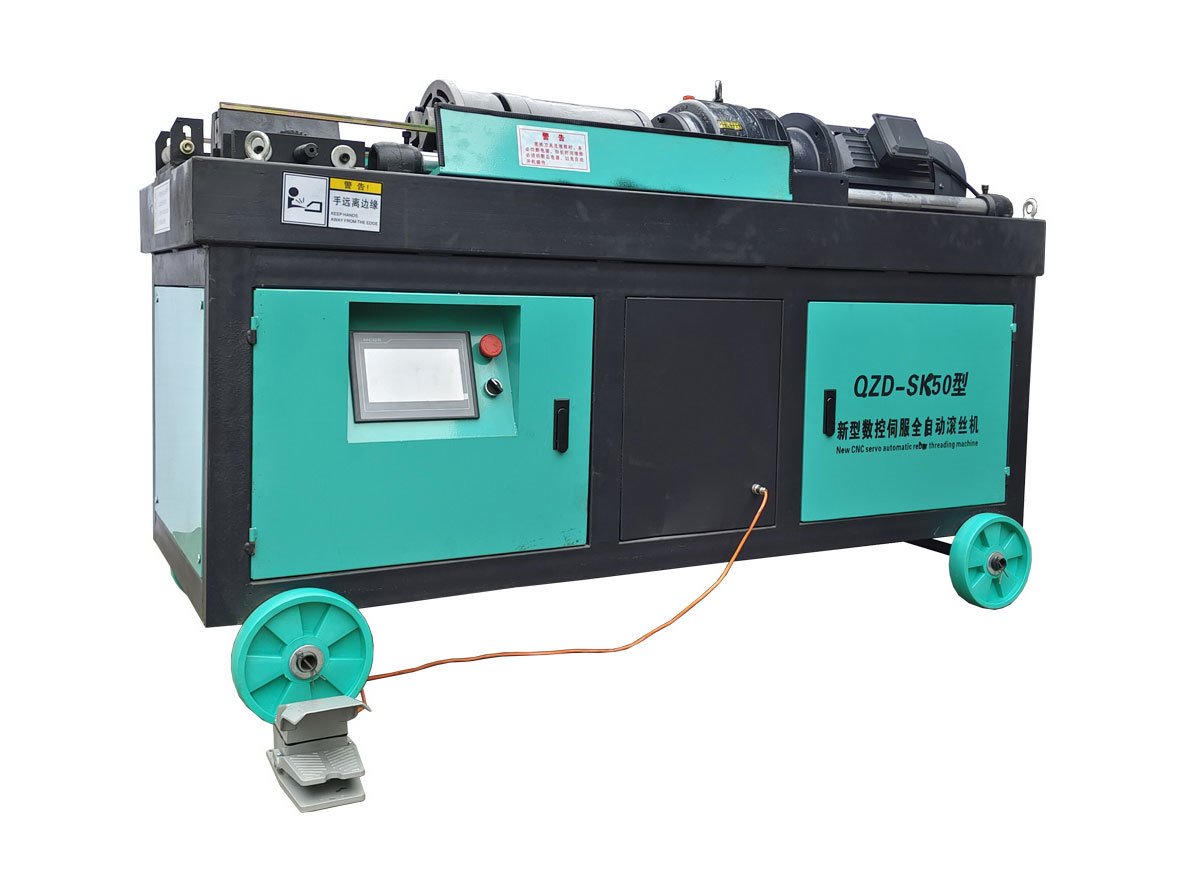
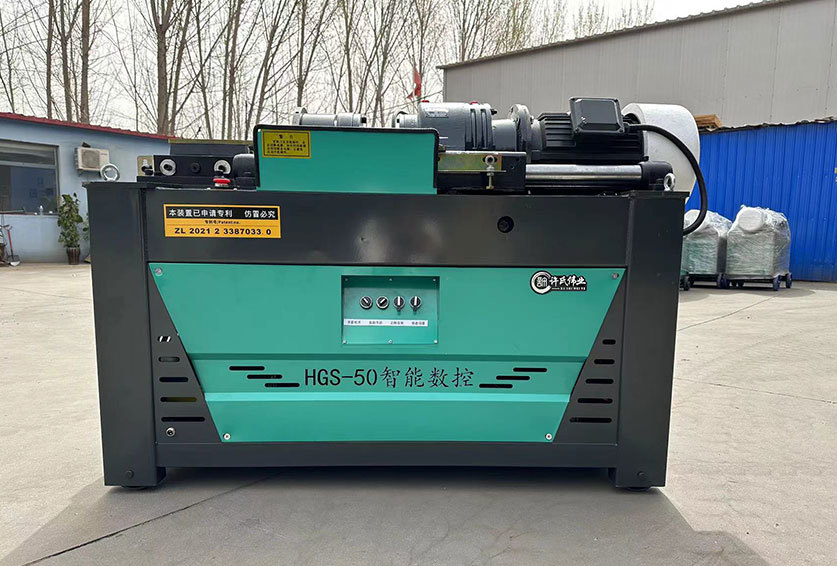
**CNC Thread Rolling** is a cold-forming process that creates threads on metal rods, such as re-bar, using a set of specially designed rolling dies. Unlike traditional machining methods, which remove material to create threads, thread rolling deforms the material to form threads without generating waste. This process is controlled by a Computer Numerical Control (CNC) system, ensuring precise and repeatable results in a variety of materials.
How CNC Thread Rolling Works
The process begins with a metal blank, which is fed into the rolling machine. As the blank passes through the rolling dies, the dies exert pressure on the material, resulting in the formation of threads. The CNC system controls the speed, pressure, and position of the dies, allowing for intricate thread designs that meet specific engineering requirements.
Advantages of CNC Thread Rolling in Re-bar Processing
CNC Thread Rolling offers several advantages over traditional threading methods, making it an ideal choice for re-bar processing.
Precision and Accuracy
One of the most significant benefits of CNC Thread Rolling is its ability to produce **highly precise and accurate threads**. The CNC technology allows for quick adjustments and settings to meet the exact specifications required for each project. This precision leads to better performance of re-bar in construction applications, minimizing the likelihood of structural failures.
Cost-Effectiveness
CNC Thread Rolling is not only efficient but also cost-effective. The reduction in material waste and the speed of production significantly lower operational costs. Furthermore, the durability of threads produced through this method ensures fewer replacements and repairs over time, contributing to long-term savings on construction projects.
Speed and Efficiency
In a fast-paced industry where time is money, the speed of CNC Thread Rolling is a game changer. The process can produce large quantities of re-bar with threads in a fraction of the time it takes with traditional methods. This efficiency allows construction projects to stay on schedule and meet tight deadlines without compromising quality.
Material Savings
Since CNC Thread Rolling does not cut away material but rather forms it, this process results in significant **material savings**. The cold-forming technique uses the entire volume of the material, ensuring that no excess is discarded. This is particularly advantageous in re-bar processing, where material costs can be substantial.
Traditional Methods vs. CNC Thread Rolling
To appreciate the benefits of CNC Thread Rolling fully, it’s essential to compare it with traditional threading methods. Traditional techniques often involve cutting, which can lead to material waste and require more extensive finishing processes. Additionally, manual adjustments are prone to human error, impacting the overall quality and consistency of the threads produced.
In contrast, CNC Thread Rolling offers automated processes with consistent quality control. The minimal waste generated and the precision of the threads result in a superior end product, making CNC Thread Rolling the clear winner in modern re-bar processing.
Applications of CNC Thread Rolling in Re-bar Manufacturing
CNC Thread Rolling is utilized in various applications within the realm of re-bar manufacturing. From construction projects requiring precise anchoring systems to infrastructure developments demanding robust reinforcement solutions, the technology caters to a wide range of needs.
Construction Industry
In the construction industry, CNC Thread Rolling is vital for producing re-bars that require specific threading for anchoring in concrete structures. The precision of the threads ensures a strong bond, enhancing the overall stability and durability of buildings and other structures.
Infrastructure Projects
Large-scale infrastructure projects, such as bridges and highways, benefit significantly from the use of CNC Thread Rolling. The high-quality threads improve the reliability of re-bar, which is crucial for enduring the stresses placed on these structures over time.
The Future of Re-bar Processing with CNC Technology
As industries continue to innovate, the future of re-bar processing with CNC Thread Rolling looks promising. With advancements in technology, we can expect even greater efficiencies, enhanced material capabilities, and more sophisticated thread designs tailored to meet the evolving demands of construction.
Companies that adopt CNC Thread Rolling technology position themselves at the forefront of the industry, ready to tackle challenges with innovative solutions. The integration of AI and machine learning into CNC systems may further enhance the precision and efficiency of threading processes, allowing for real-time adjustments and monitoring.
Frequently Asked Questions
1. What materials can be used in CNC Thread Rolling?
CNC Thread Rolling can be performed on various materials, including steel, aluminum, and other metals that can withstand the cold-forming process.
2. How does CNC Thread Rolling compare to traditional cutting methods?
CNC Thread Rolling is generally faster, produces less waste, and creates more precise threads compared to traditional cutting methods, which often involve material removal.
3. Is CNC Thread Rolling suitable for small production runs?
Yes, CNC Thread Rolling is flexible and can be adapted for both large and small production runs, making it suitable for various project sizes.
4. What industries benefit most from CNC Thread Rolling?
The construction, automotive, and aerospace industries all benefit from CNC Thread Rolling due to its precision, efficiency, and material savings.
5. What is the impact of CNC Thread Rolling on project timelines?
CNC Thread Rolling significantly reduces production time, allowing projects to stay on schedule and meet deadlines without compromising quality.
Conclusion
CNC Thread Rolling has undeniably transformed the landscape of re-bar processing. Its precision, cost-effectiveness, speed, and minimal material waste position it as a superior alternative to traditional methods. As industries demand higher quality and more efficient processes, embracing CNC Thread Rolling will become increasingly essential for staying competitive in the market. By investing in this innovative technology, companies can enhance their production capabilities, ensuring that they meet the rigorous demands of modern construction while also paving the way for future advancements in the field.
Keywords:
More information


Hebei Xushi Weiye
CONTACT US
Add: Qiaoxi street,Wuqiang county, Hengshui, China
Email: info@xswy-machinery.com
Wechat: Amanda_XUSHIWEIYE
Whatsapp: +8615933856555
Follow Us
Copyright © Hebei Xushi Weiye Machinery Manufacturing Co., Ltd.
Powered by: 300.cn Shijiazhuang SEO | Privacy Policy
Online Message