Welcome to Hebei Xushi Weiye Machinery Manufacturing Co., Ltd. website!


CNC Thread Rolling: A Comprehensive Guide for Industrial Applications
Release Time:
Nov 18,2025
CNC Thread Rolling: A Comprehensive Guide for Industrial Applications Table of Contents 1. Introduction to CNC Thread Rolling 2. What is CNC Thread Rolling? 3. Advantages of CNC Thread Rolling in Industrial Applications 4. Key Applications of CNC Thread Rolling 5. Overview of the CNC Thread Rolling Process 6. Different Types of Thread Rolling Techniques 7. CNC Thread R

CNC Thread Rolling: A Comprehensive Guide for Industrial Applications
Table of Contents
- 1. Introduction to CNC Thread Rolling
- 2. What is CNC Thread Rolling?
- 3. Advantages of CNC Thread Rolling in Industrial Applications
- 4. Key Applications of CNC Thread Rolling
- 5. Overview of the CNC Thread Rolling Process
- 6. Different Types of Thread Rolling Techniques
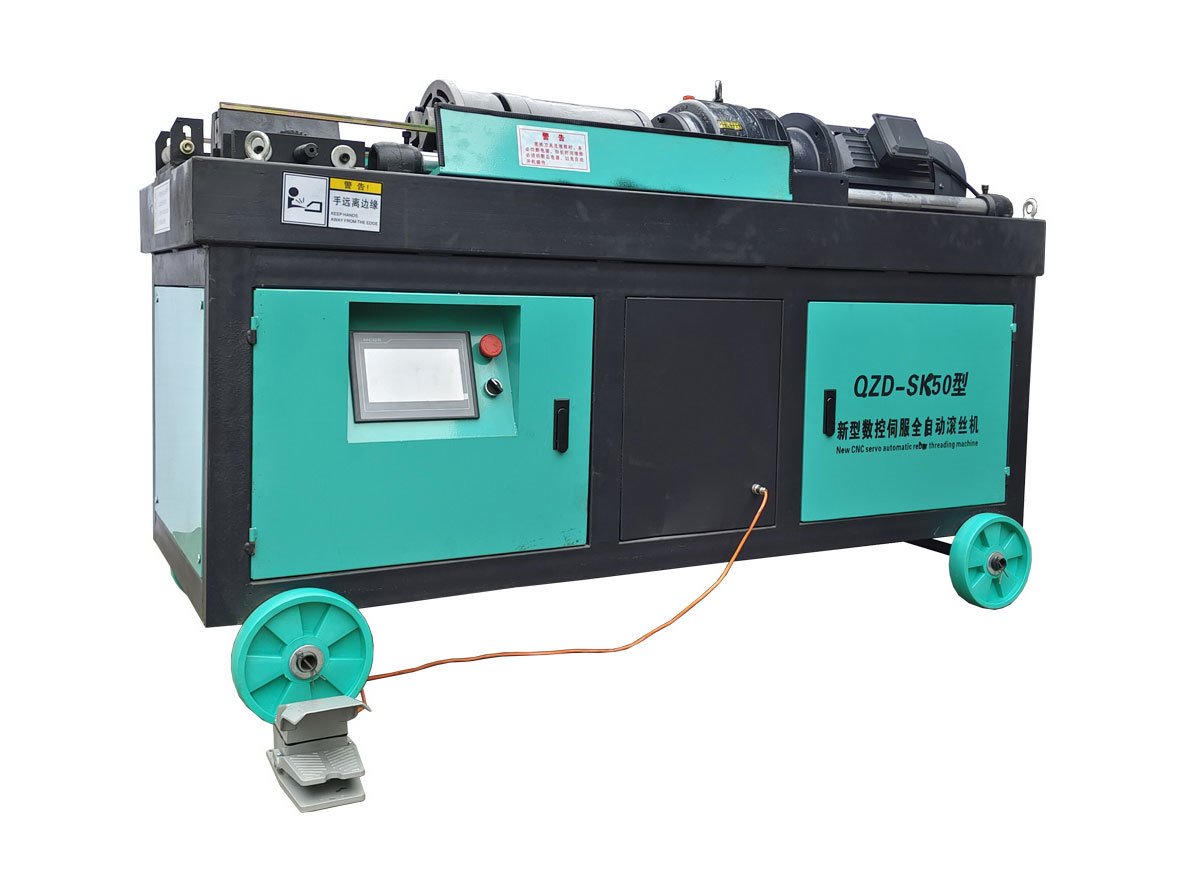
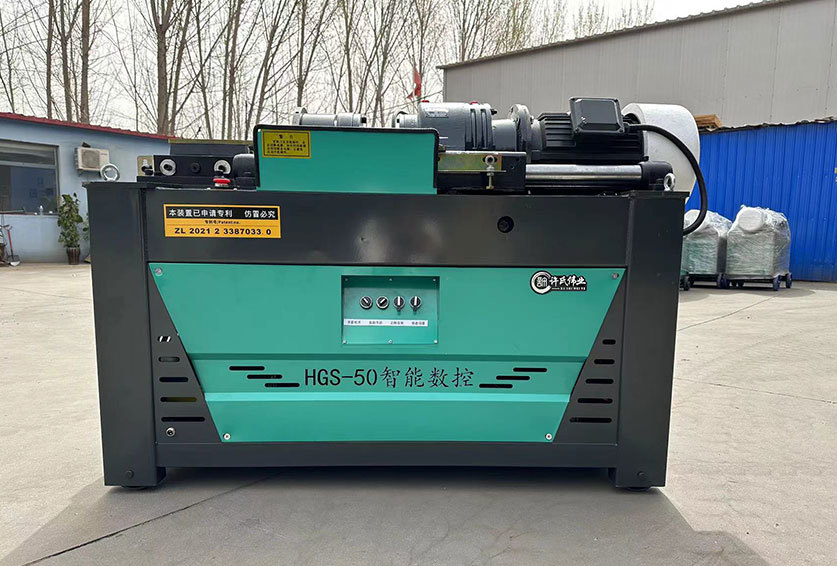
- 7. CNC Thread Rolling Machines: Features and Specifications
- 8. Maintenance and Care for CNC Thread Rolling Equipment
- 9. Frequently Asked Questions
- 10. Conclusion
1. Introduction to CNC Thread Rolling
CNC thread rolling is a sophisticated manufacturing process that transforms raw materials into precision components by creating threads through deformation. This method, which uses computer numerical control (CNC) technology, ensures high accuracy and repeatability, making it a preferred choice in various industrial applications. Understanding CNC thread rolling is essential for engineers and manufacturers seeking to enhance product quality and operational efficiency.
2. What is CNC Thread Rolling?
CNC thread rolling is a cold-forming process that utilizes specialized rolling dies to shape metal into threaded components. Unlike traditional machining methods, which often remove material, thread rolling preserves the integrity of the original material by compressing it into the desired shape. The CNC aspect allows for automated precision, enabling complex designs and tight tolerances to be achieved consistently.
How CNC Thread Rolling Works
The process begins with a cylindrical workpiece, which is fed into a machine equipped with two or more dies. These dies rotate and apply pressure to the workpiece, causing it to deform and create threads. The CNC system controls the movement and pressure of the dies, ensuring uniformity and precision throughout the process.
3. Advantages of CNC Thread Rolling in Industrial Applications
CNC thread rolling offers numerous advantages over conventional machining methods, making it a highly sought-after process in various industries.
Increased Strength and Durability
The thread rolling process induces work hardening in the material, resulting in stronger and more durable threads. This increased strength is particularly beneficial for components subjected to high stress and fatigue.
Improved Surface Finish
CNC thread rolling produces a superior surface finish compared to traditional machining. The smooth surfaces reduce friction and wear, enhancing the longevity of threaded components.
Higher Production Efficiency
One of the key benefits of CNC thread rolling is its efficiency. The process can produce large quantities of threaded components in a shorter time frame, reducing manufacturing costs and lead times.
Reduced Material Waste
Since thread rolling is a cold-forming process that does not involve cutting, there is minimal material waste. This not only conserves resources but also contributes to lower production costs.
4. Key Applications of CNC Thread Rolling
CNC thread rolling is utilized across a wide range of industries, including:
Aerospace
Aerospace components often require high-strength, lightweight threaded parts. CNC thread rolling meets these demands by producing durable fasteners and landing gear components.
Automotive
In the automotive sector, CNC thread rolling is used to manufacture parts such as bolts, nuts, and other fasteners that require precise threads for optimal performance.
Electronics
The electronics industry benefits from CNC thread rolling through the production of connectors and housings that require precise threading for secure assembly.
Medical Devices
CNC thread rolling is critical in the medical field for manufacturing implants and surgical instruments that demand exceptional precision and reliability.
5. Overview of the CNC Thread Rolling Process
The CNC thread rolling process consists of several key stages:
Material Preparation
Before rolling, the raw material is prepared by cutting it to the desired length and ensuring that its diameter is appropriate for the thread specifications.
Machine Setup
Operators program the CNC machine with the required parameters, including the thread dimensions, die pressure, and rolling speed.
Thread Rolling
The workpiece is fed into the machine, where the dies apply pressure and rotate to create the threads. The CNC system ensures that the entire process is executed with precision.
Quality Control
After the rolling process, the components undergo rigorous quality checks to ensure they meet the specified standards. This may include inspections for dimensional accuracy and surface finish.
6. Different Types of Thread Rolling Techniques
There are several types of thread rolling techniques that cater to different applications and material types.
Flat Die Thread Rolling
In flat die thread rolling, two parallel flat dies are used to shape the threads. This technique is ideal for producing large quantities of uniform threads.
Multi-Die Thread Rolling
Multi-die thread rolling employs multiple dies to create threads in a single pass. This method is efficient for producing complex thread profiles.
Radial Thread Rolling
Radial thread rolling involves the use of cylindrical dies that rotate around the workpiece. This technique is effective for creating external threads on cylindrical parts.
7. CNC Thread Rolling Machines: Features and Specifications
When selecting CNC thread rolling machines, several features and specifications should be considered:
Machine Size and Capacity
The machine's size and capacity must accommodate the dimensions and weight of the materials being processed.
Die Design and Configuration
The design of the dies is crucial for achieving the desired thread profiles. Different configurations may be required based on the application.
CNC Control System
A robust CNC control system is essential for programming the machine and ensuring precision during the rolling process.
8. Maintenance and Care for CNC Thread Rolling Equipment
Proper maintenance of CNC thread rolling machines is vital for ensuring longevity and optimal performance.
Regular Cleaning
Regular cleaning of the machine and components helps prevent the buildup of debris and contaminants, which can affect performance.
Lubrication
Adequate lubrication of moving parts reduces wear and tear, ensuring smooth operation and extending the machine's lifespan.
Periodic Inspections
Conducting periodic inspections allows operators to identify and address any potential issues before they escalate into costly repairs.
9. Frequently Asked Questions
1. What materials can be used in CNC thread rolling?
CNC thread rolling can be performed on a variety of materials, including steel, aluminum, brass, and plastic.
2. How does CNC thread rolling compare to traditional thread cutting?
CNC thread rolling is generally faster, produces less waste, and results in stronger threads compared to traditional thread cutting methods.
3. What industries benefit the most from CNC thread rolling?
Industries such as aerospace, automotive, electronics, and medical devices heavily rely on CNC thread rolling for producing high-quality threaded components.
4. Can CNC thread rolling create custom thread profiles?
Yes, CNC thread rolling can produce custom thread profiles tailored to specific application requirements.
5. How can I ensure the quality of rolled threads?
Implementing quality control measures, including dimensional inspections and surface finish assessments, is crucial for maintaining thread quality.
10. Conclusion
CNC thread rolling is a revolutionary process that enhances the efficiency and quality of threaded components in various industrial applications. Its numerous advantages, including increased strength, improved surface finish, and reduced material waste, make it a preferred choice for manufacturers seeking to optimize their production processes. By understanding the techniques, applications, and maintenance requirements of CNC thread rolling, professionals can harness its full potential to drive innovation and success in their respective industries.
Keywords:
More information


Hebei Xushi Weiye
CONTACT US
Add: Qiaoxi street,Wuqiang county, Hengshui, China
Email: info@xswy-machinery.com
Wechat: Amanda_XUSHIWEIYE
Whatsapp: +8615933856555
Follow Us
Copyright © Hebei Xushi Weiye Machinery Manufacturing Co., Ltd.
Powered by: 300.cn Shijiazhuang SEO | Privacy Policy
Online Message