Welcome to Hebei Xushi Weiye Machinery Manufacturing Co., Ltd. website!


How Thread Rolling Machines are Revolutionizing Rebar Processing Techniques
Release Time:
Dec 16,2025
Introduction to Thread Rolling Machines in Rebar Processing In the world of construction and engineering, the methods employed for processing materials can often dictate the efficiency and effectiveness of a project. Among the various techniques available, **thread rolling machines** have emerged as a groundbreaking solution for rebar processing. These machines provide not only increased productiv

Introduction to Thread Rolling Machines in Rebar Processing
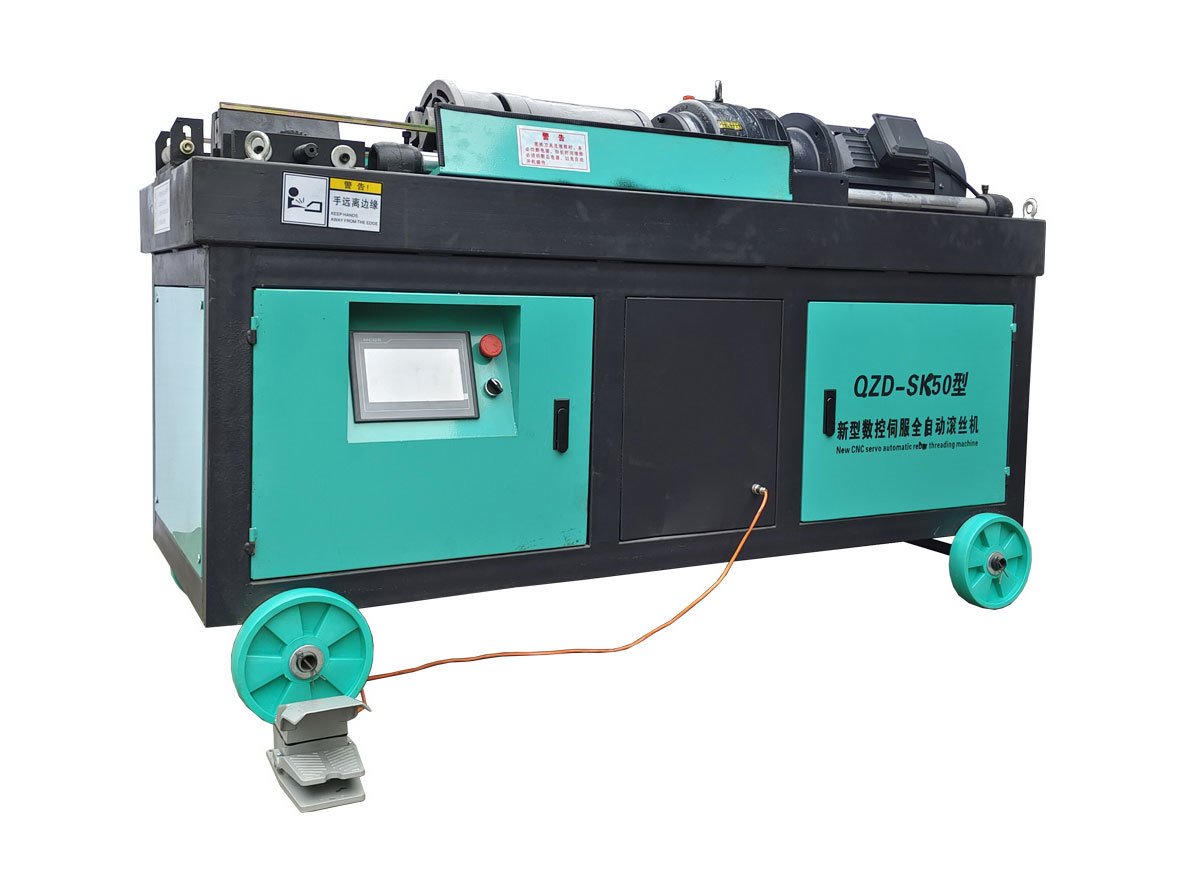
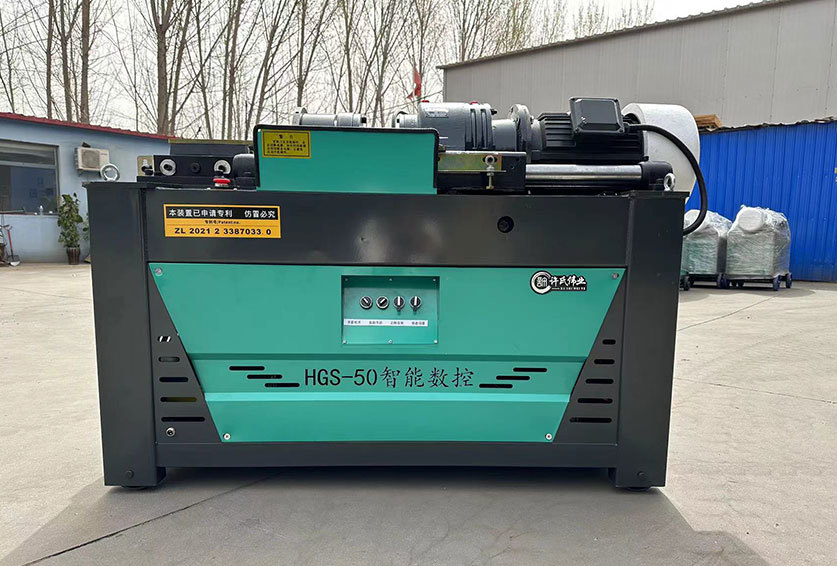
In the world of construction and engineering, the methods employed for processing materials can often dictate the efficiency and effectiveness of a project. Among the various techniques available, **thread rolling machines** have emerged as a groundbreaking solution for rebar processing. These machines provide not only increased productivity but also enhanced precision and durability in rebar applications. In this article, we will explore how thread rolling machines are revolutionizing rebar processing techniques and the immense benefits they bring to the industry.
The Basics of Rebar and Its Importance in Construction
Before diving into the specifics of thread rolling machines, it is essential to understand the role of rebar in construction. **Reinforced concrete**, a predominant material in modern architecture, consists of concrete reinforced with steel bars, commonly known as rebar. The addition of rebar increases the tensile strength of concrete, providing structural support and stability.
With the growing demand for durable and reliable construction materials, the optimization of rebar processing techniques has become a focal point for engineers and builders alike.
What is Thread Rolling?
Thread rolling is a manufacturing process that creates threads on a workpiece's surface through pressure. This method is primarily used to produce high-strength threads that are essential for various applications, including rebar processing. Unlike traditional cutting methods, thread rolling machines utilize dies to shape the material, resulting in superior thread quality and enhanced fatigue resistance.
Advantages of Thread Rolling over Traditional Methods
- **Increased Strength**: Thread rolling creates threads without cutting, preserving the integrity of the metal and enhancing its overall strength.
- **Higher Productivity**: The process is faster than traditional cutting techniques, allowing for increased output within the same timeframe.
- **Cost-Effective**: Reduced material waste and shorter processing times lead to lower production costs.
- **Enhanced Accuracy**: The precision of thread rolling machines results in more consistent and accurate thread profiles.
How Thread Rolling Machines Work
Understanding the mechanics of thread rolling machines is crucial to appreciating their impact on rebar processing. These machines typically operate using two or more rotating dies that exert pressure on the rebar as it passes through.
The Thread Rolling Process
1. **Feeding the Rebar**: The rebar is fed into the machine, where it is positioned for threading.
2. **Die Engagement**: The rotating dies come into contact with the rebar, applying pressure to create the desired thread profile.
3. **Finishing**: Once the threading is complete, the rebar is ejected, ready for further processing or direct application in construction.
Types of Thread Rolling Machines
- **Flat Die Thread Rolling Machines**: These machines use flat dies to create threads and are often used for larger diameter rebar.
- **Circular Die Thread Rolling Machines**: Utilizing circular dies, these machines are suitable for smaller diameter rebar, providing high precision and speed.
Applications of Thread Rolling Machines in Rebar Processing
Thread rolling machines serve a variety of applications within rebar processing, significantly enhancing both the efficiency and quality of the final product.
High-Strength Rebar Production
The ability to produce high-strength threads is one of the standout features of thread rolling machines. This capability is crucial for applications requiring superior load-bearing performance, such as high-rise buildings and bridges.
Custom Thread Profiles
Different construction projects may call for specific thread profiles tailored to particular requirements. Thread rolling machines can easily accommodate custom threading designs, allowing engineers to meet unique specifications without compromising quality.
Rebar Splicing Systems
Thread rolling is often employed in the production of rebar splicing systems, which are essential for connecting two rebar segments. The strong and precise threads produced by thread rolling machines ensure reliable connections, enhancing the overall structural integrity of concrete assemblies.
Benefits of Using Thread Rolling Machines in Rebar Processing
The adoption of thread rolling machines in rebar processing presents numerous advantages that make them an attractive option for manufacturers and construction companies alike.
Enhanced Quality Control
Thread rolling machines are designed to provide consistent results, which reduces variability in the final product. This reliability is paramount in construction, where even minor discrepancies can lead to significant issues.
Reduced Environmental Impact
With less material waste generated during the thread rolling process, companies can minimize their environmental footprint. Additionally, the energy-efficient operation of modern thread rolling machines contributes to sustainability efforts in the manufacturing sector.
Streamlined Production Processes
Thread rolling machines can integrate into existing production lines with minimal disruption. Their ability to operate efficiently alongside other manufacturing processes allows for a smoother workflow and increased overall productivity.
Future Trends in Thread Rolling Technology
As technology continues to evolve, so too will the capabilities of thread rolling machines. Future trends may include:
Automation and Smart Manufacturing
The integration of automation and IoT (Internet of Things) technology into thread rolling machines will enhance operational efficiency. Smart sensors can monitor performance in real-time, allowing for predictive maintenance and minimizing downtime.
Advanced Materials and Coatings
Research into advanced materials and coatings will further improve the performance of thread rolling machines. These innovations may lead to even stronger thread profiles and longer-lasting machine components.
Sustainability and Energy Efficiency
As the construction industry increasingly focuses on sustainability, thread rolling machines will likely see advancements in energy efficiency and waste reduction strategies. This will align with global efforts to create more environmentally friendly manufacturing practices.
Frequently Asked Questions (FAQs)
1. What types of materials can be processed with thread rolling machines?
Thread rolling machines are primarily designed for metal materials, including various grades of steel used in rebar production.
2. How does thread rolling improve the strength of rebar?
By forming threads without cutting, thread rolling maintains the metal's structural integrity, resulting in enhanced strength and fatigue resistance.
3. Can thread rolling machines handle different rebar diameters?
Yes, thread rolling machines can accommodate various rebar diameters, especially with adjustable or interchangeable dies.
4. What is the typical production speed of thread rolling machines?
Production speed can vary based on the machine design and material properties, but thread rolling is generally faster than traditional cutting methods.
5. How can companies implement thread rolling machines in their production lines?
Companies can integrate thread rolling machines into existing production lines by analyzing workflow and determining optimal placement to enhance efficiency.
Conclusion
The introduction of thread rolling machines into rebar processing represents a significant advancement in construction technology. Their ability to produce high-quality, durable threads with increased efficiency and reduced costs makes them an invaluable asset for manufacturers and engineers alike. As the construction industry continues to evolve, thread rolling machines will play a pivotal role in meeting the growing demands for reliable and sustainable building materials. Investing in these machines is not just a technological upgrade; it is a step towards a more efficient and environmentally friendly future for the construction sector. By embracing these innovations, we can ensure that our infrastructure remains strong and resilient for generations to come.
Keywords:
More information


Hebei Xushi Weiye
CONTACT US
Add: Qiaoxi street,Wuqiang county, Hengshui, China
Email: info@xswy-machinery.com
Wechat: Amanda_XUSHIWEIYE
Whatsapp: +8615933856555
Follow Us
Copyright © Hebei Xushi Weiye Machinery Manufacturing Co., Ltd.
Powered by: 300.cn Shijiazhuang SEO | Privacy Policy
Online Message